

Day 3 Fieldwork 2026
Attending the KIHE Conference, Interviewing Pharmacies, Modifying the Device, and Eating Horse Meat.
5/20/20263 min read

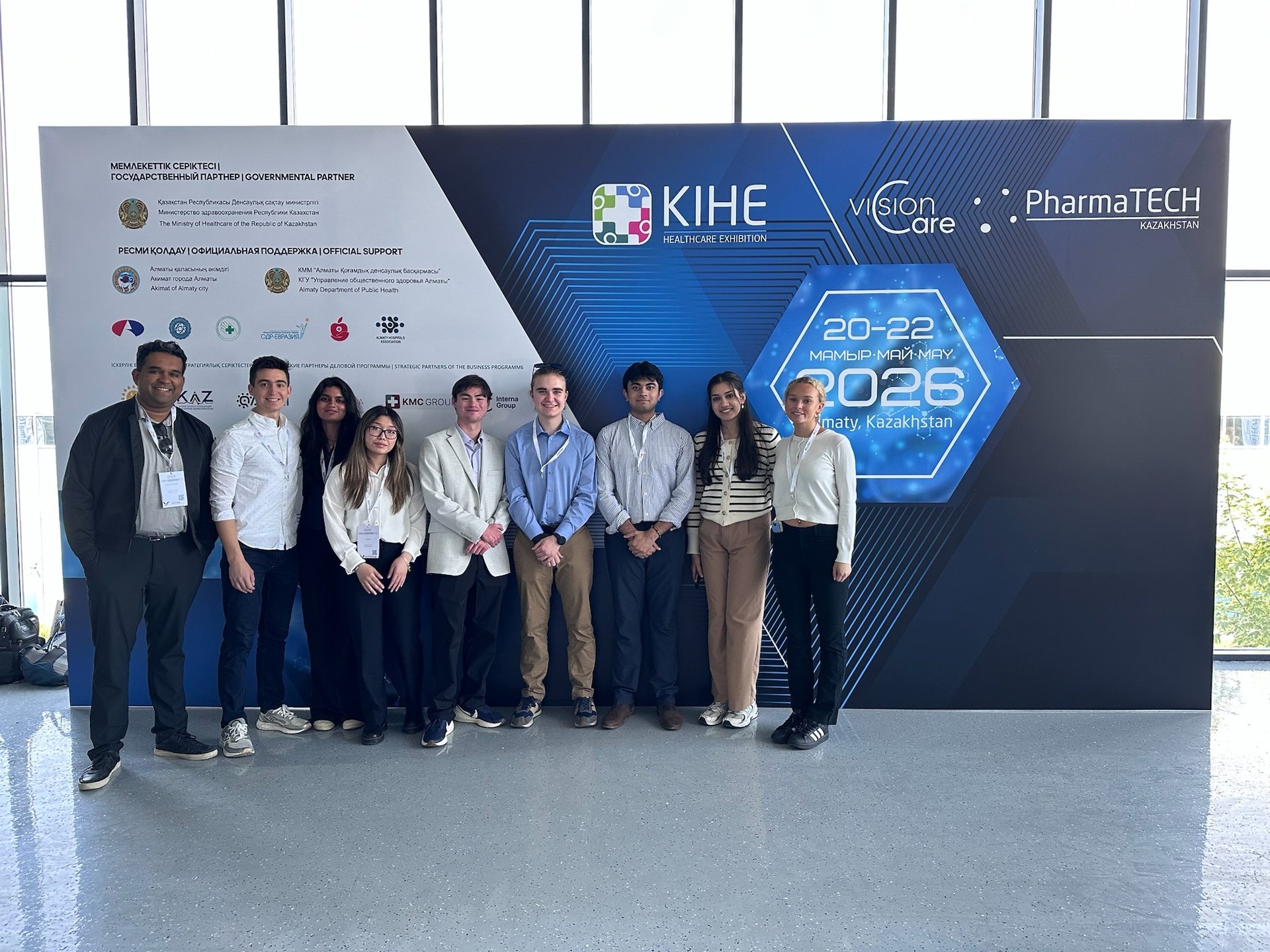
Upon arriving at AlmaU, we met with Zhansaya and other AlmaU students, Otemis and Aiym, to discuss some packaging options for the device. We also got to meet two of the other collaborating AlmaU students as well! Soon after, we took a Yandex to the 31st Kazakhstan International Healthcare Exhibition, a conference that brings together medical technology companies from around the world, including Kazakhstan, China, Germany, and Russia. Our main goal was to spread awareness about our AI Workshop by handing out flyers to AI-related ventures. We also walked around the conference and learned about many new technologies in the medical field before leaving for a quick lunch.
After lunch, we had the chance to speak to the mother of an AlmaU student and a previous Creative Inquiry collaborator, Muza, as Muza’s late grandfather had Parkinson’s Disease. With Andrew and Muza translating our questions, Muza’s mom recounted the difficulties and unacknowledged struggles of having a loved one with Parkinson’s. She spoke about how her father failed to be prescribed adequate medicine, including being told to take anxiety medication that is intended for other psychological disorders, rather than addressing the tremors and other symptoms due to Parkinson’s Disease. Muza noted she wishes she and her family had known more about the symptoms of Parkinson’s beforehand, including changes in weight, the ability to swallow, and early symptoms of Parkinson’s. To address the lack of accessible information about Parkinson’s and other tremor-inducing disorders, we decided to add an informational section to the app that will include related articles and videos. We also decided to add a pop-up asking how the patient is feeling that appears when the app opens. The user will then be able to pick the icon/emoji with which they resonate the most.
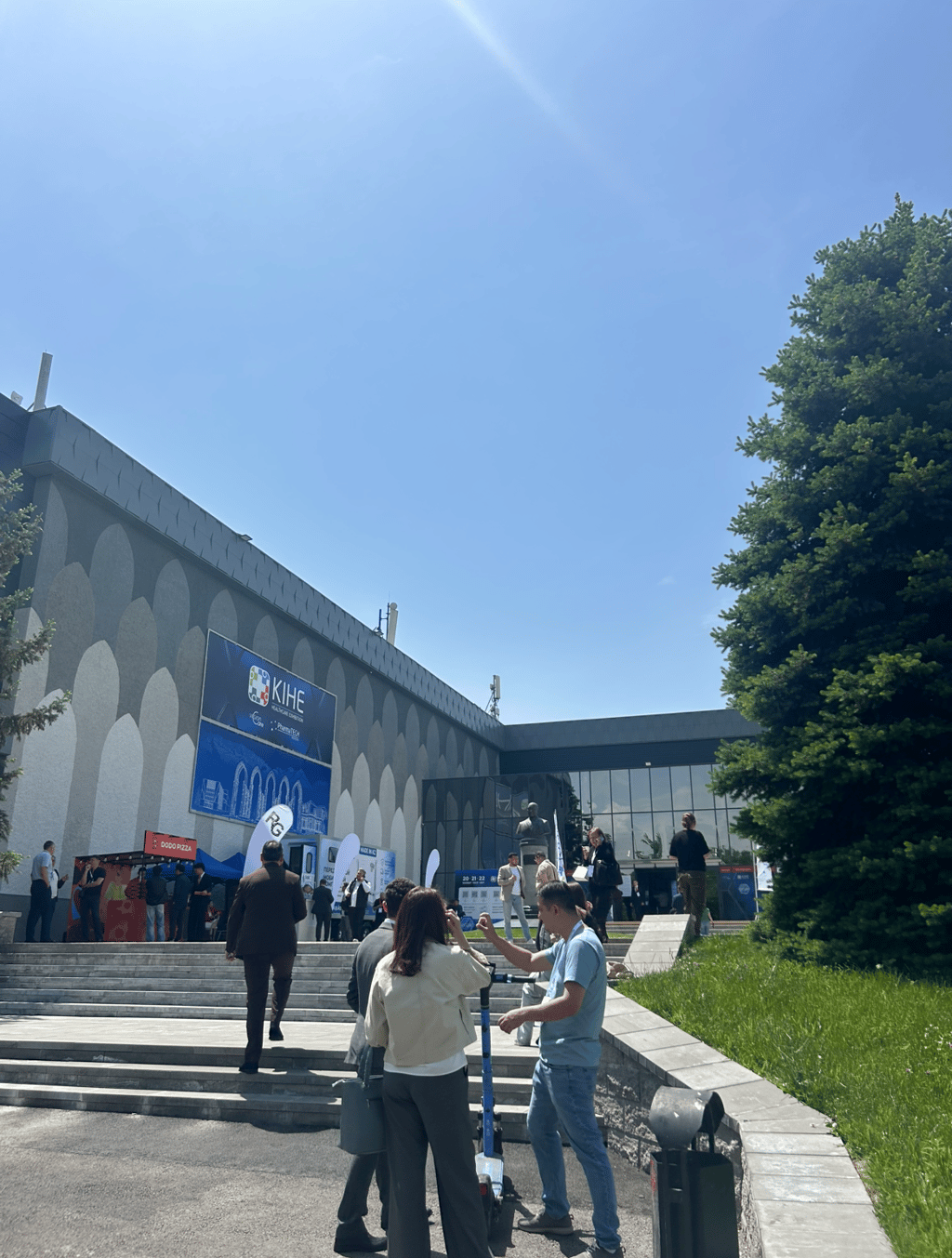
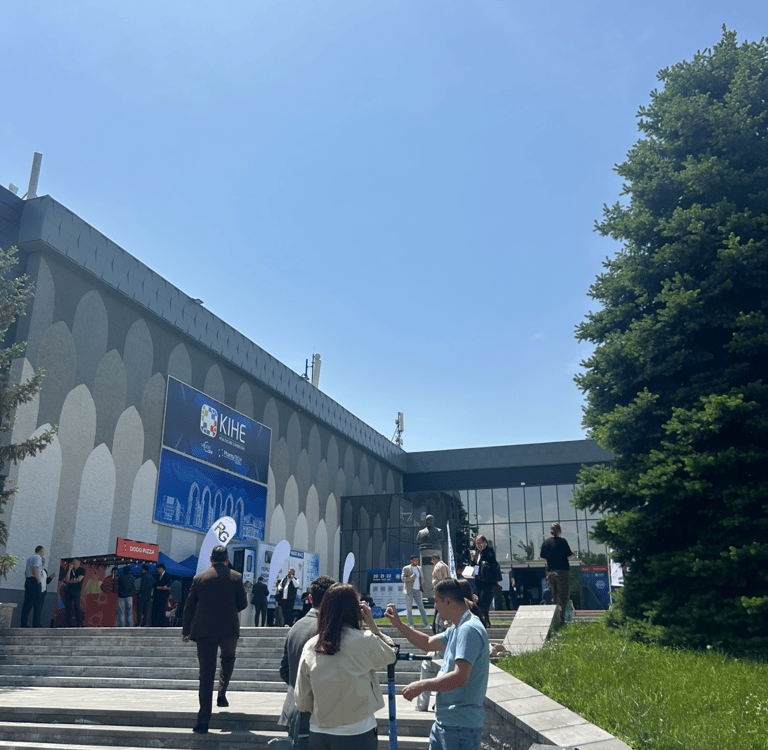
Moreover, Muza and her mother both gave their feedback on the device, suggesting adding an SOS button or something similar so that the family and loved ones can be alerted if the patient falls or needs assistance. We also discussed adding different wristband options to cater to both those looking for an affordable or stylish option. To answer a succeeding question regarding the customer’s willingness to pay, Muza’s mom said she would be open to purchasing the device for under $100. Her emphasis on loved ones having access to the data collected by the device made us realize that we needed to open our target market possibilities, such as investigating on-the-shelf options in pharmacies or similar stores.
From this, we asked ourselves, “Would it be more accessible to sell the devices through pharmacies or straight from the clinician?” To answer this, we split up into two groups: Ada, Anya, and Jude visited pharmacies with Zhansaya, and Sameer, Priya, and Andrew returned to the KIHE conference to inquire about manufacturing and distributing.
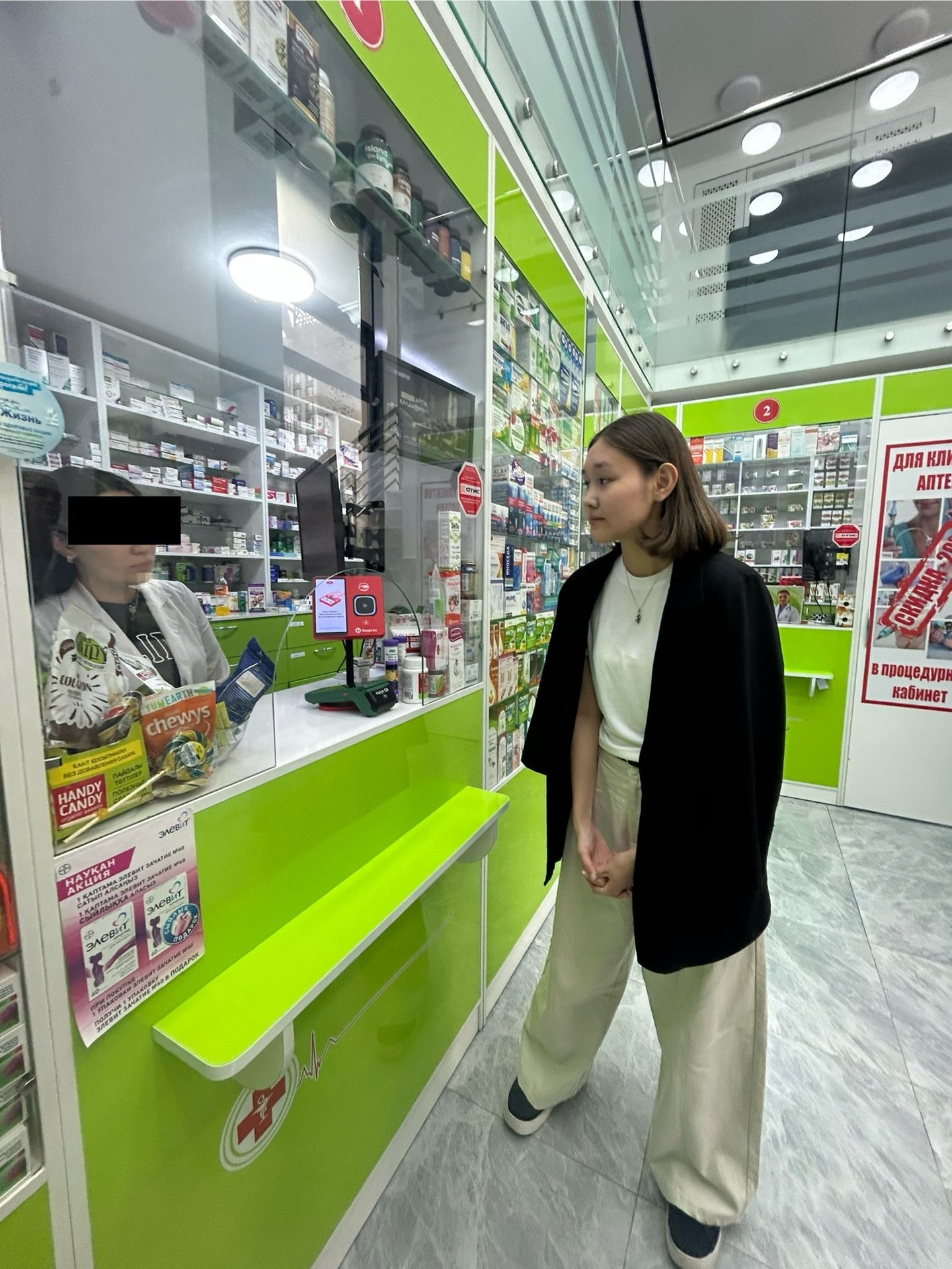
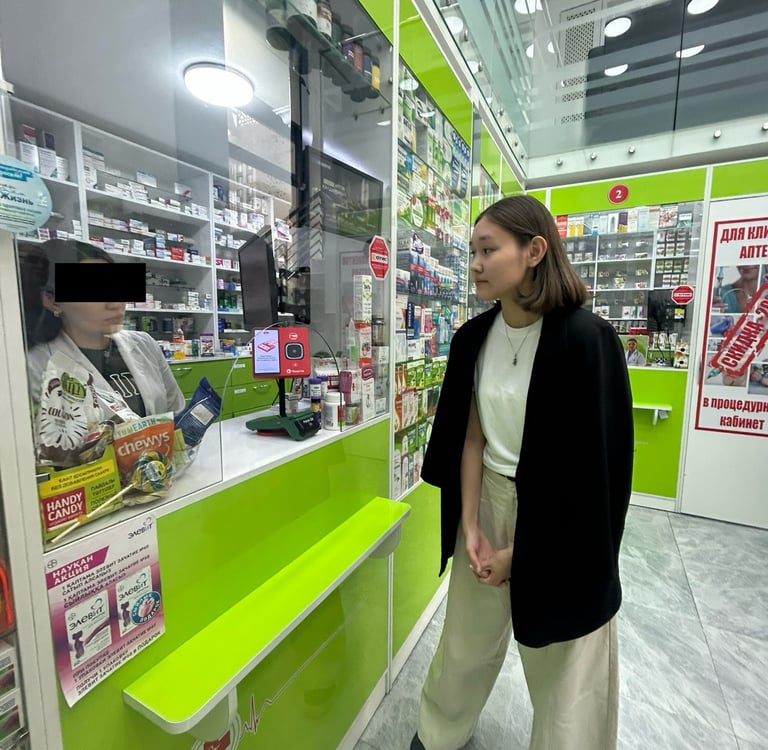
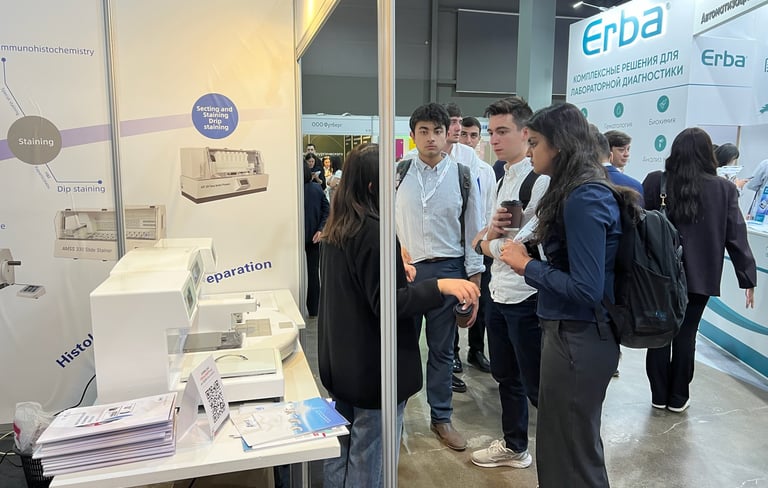
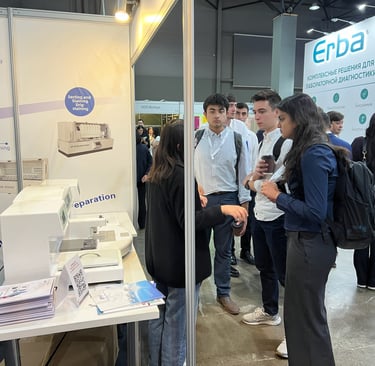
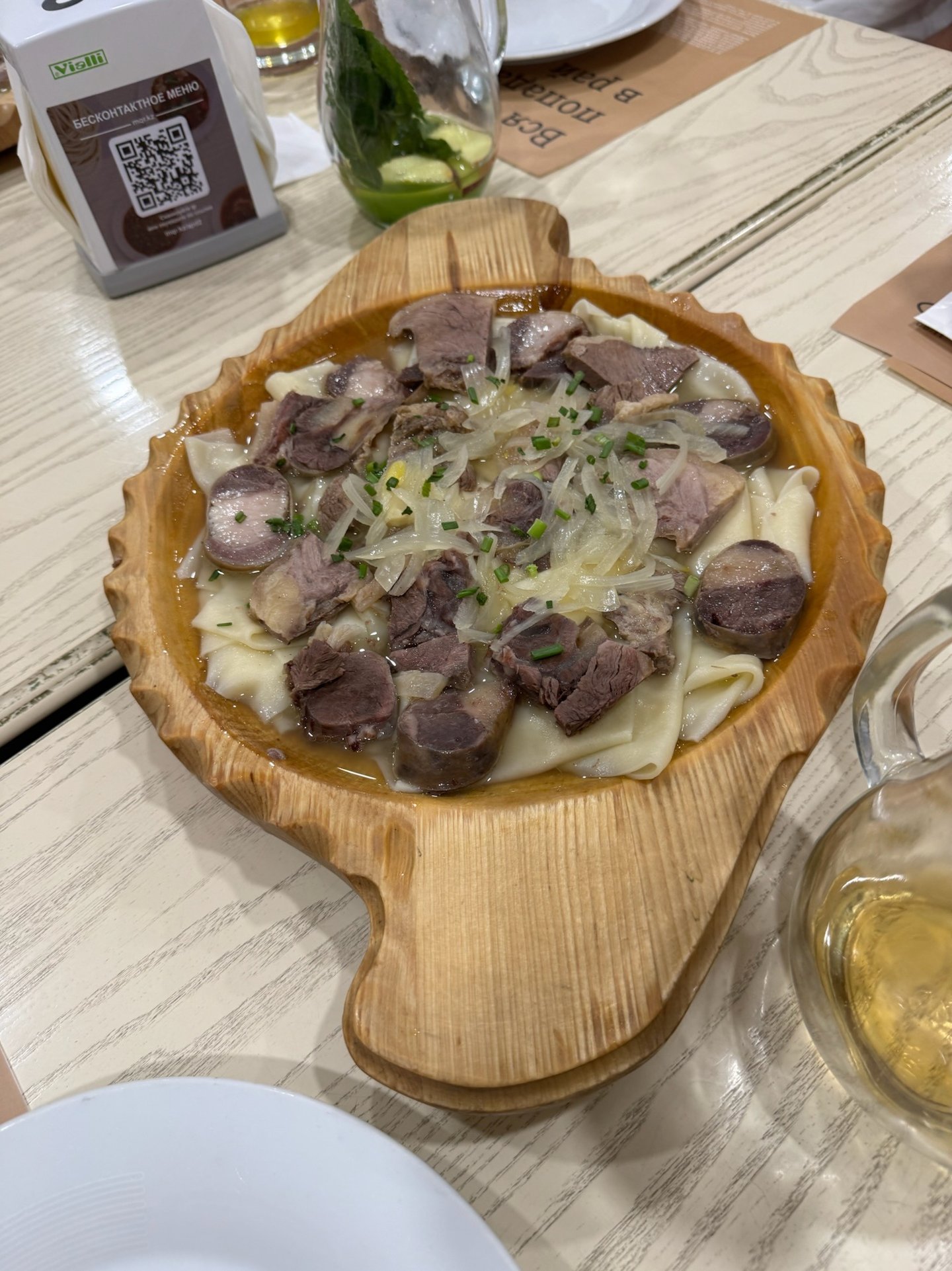
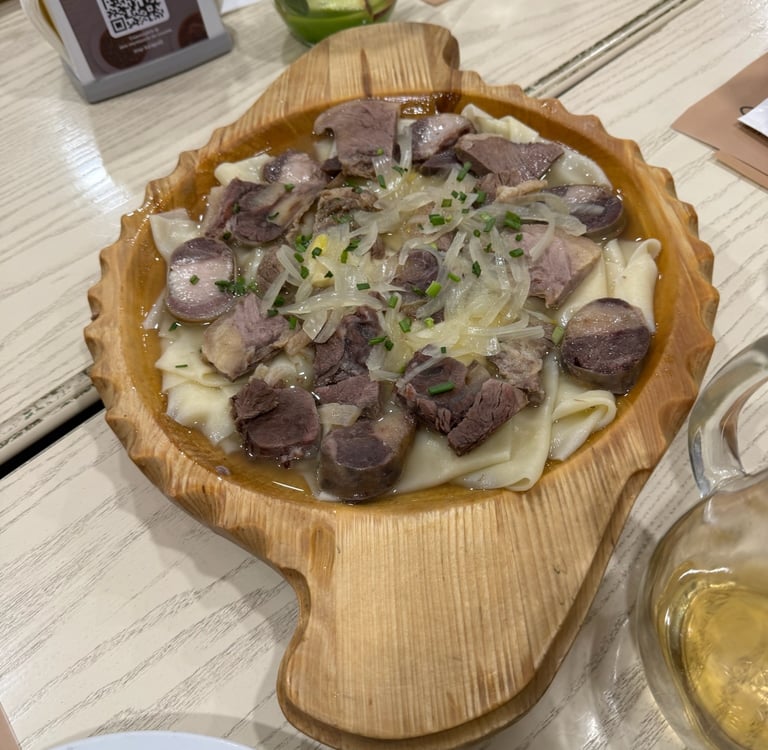
At the pharmacies, we noted that very few medical devices were sold there at all, and of the few, they were very general medical devices, such as thermometers and blood pressure cuffs. Because of this, we believed it would be hard to get our specific device into most small pharmacies. Also, the pharmacists informed us we needed multiple certifications (GMM, GMP, FDA) to be able to sell them at the pharmacies, certifications that take years to receive. We also discovered that the main distributor of their devices is Rausa Distributor. We decided the pharmacies would not be the best place to sell the device because of the specificity and the necessary clinician-patient relationship that the device fosters. At the conference, we were able to understand more about how start-up devices got from a prototype to mass manufacturing and distribution, including receiving both contacts and advice. We wrapped up our day going to a restaurant and trying the national dish, beshbarmak, which is composed of broth, flat noodles, and horse meat!
Address
Iacocca Hall, 111 Research Drive, D-316, Bethlehem, PA, USA, 18015